Featured Post

Welcome!

Welcome to Canadian Civics 101! This blog started as a way for me to continue teaching Canadian Civics to grade 4-8 students during the Covi...

Showing posts with label Canadian Culture. Show all posts

Tuesday, May 25, 2021

Canadian Cultural Groups - 5

 Asian

Canadians of Asian ancestry comprise the largest visible minority group in Canada (~15% of the Canadian population)

Vancouver:

Vancouver is the world’s most Asian city outside of Asia

There are over 26 Chinese Christian organizations in Greater Vancouver.


Toronto:

South Asians make up over 15 percent of the Greater Toronto Area's population

The Japanese Canadian Cultural Centre in Toronto holds Japanese cultural classes

Toronto is a common stop for Vietnamese monks doing tours in North America. 

785 Chinese operated restaurants were in the GTA as of 1991

The “Spadina” Chinatown is now one of the largest Chinatowns in North America, and is one of six Chinatowns in the GTA

Chinese New Year celebrations occur in Toronto’s “Spadina” Chinatown, and other celebrations occur in the Toronto Library, Toronto Zoo, and Markham Civic Centre. 


Montreal:

Montreal's Chinatown actively participates in community activities.

Chinese newspapers, organizations and associations are located in Chinatown, and the area also has the biggest Chinese school in Montreal and the Montreal Chinese Catholic Mission.


Canadian

Canada is often characterized as being "very progressive, diverse, and multicultural".

 The majority of Canadians share the values of human rights, respect for the law and gender equality according to StatsCan.

Universal health care is also valued by the majority of Canadians. 


TV:

The Canadian government promotes Canadian culture through media such as the CBC

Canadian humour is an integral part of the Canadian identity.

o Irony, parody, satire, and self-deprecation are main aspects of Canadian humour 


Literature and Theatre:

Canada’s early literature reflects the Canadian perspective on nature, frontier life, and Canada’s position in the world
 
Theatre festivals draw many tourists in the summer months
 
The Famous People Players are one of many famous theatre companies


Sports:

The most common Canadian sports are ice hockey, lacrosse, Canadian football, basketball, soccer, curling, baseball and ringette.
 
The Grey Cup is the country's largest annual sports event.

Soccer has the most registered players of any team sport in Canada


Food:

Many unique dishes are found and available only in the country.

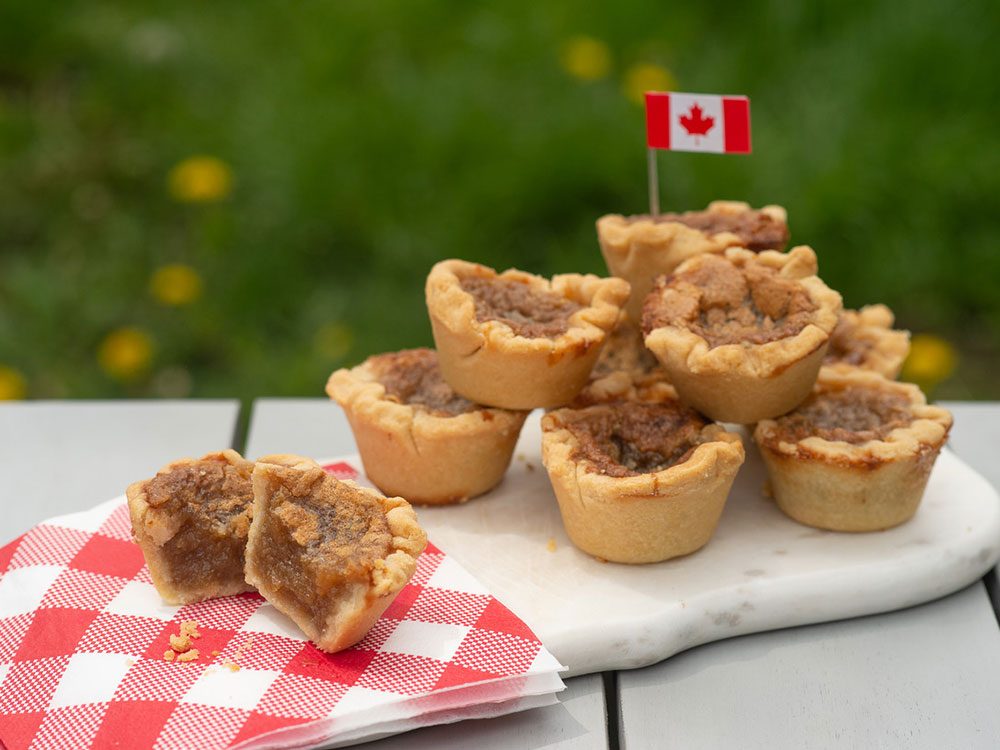
Many people consider Canada’s national foods to be poutine and butter tarts.

Some Canadian-only food products include varieties of chocolate bars and potato chips, bagged milk and Kraft Dinner



Tuesday, May 18, 2021

Canada's Cultural Groups - 4


German
 
Close to half of people in Saskatchewan are German-Canadians.

While Germans from rural Eastern Europe tended to organize community life around their churches, immigrants from urbanized Germany established social clubs

The German-Canadian Congress (GCC) was founded in 1984, with some 550 affiliated organizations, including 130 churches, 100 German language schools, 20 senior citizens' homes, art associations, museums, theatres and credit unions

Canada's first illuminated Christmas tree, a medieval German custom, was erected in 1781. Here is the story.


According to the National Household Survey, 430,000 people reported German as their mother tongue in 2011. German is also one of the 10 languages most spoken at home in Canada

Kitchener was formerly named Berlin. The name, along with many other public displays of German heritage, was changed during WWII due to the discrimination against the German people.

The Kitchener-Waterloo Oktoberfest is an annual nine-day festival in the twin cities of Kitchener-Waterloo, Ontario, Canada. Based on the original German Oktoberfest, it is billed as Canada's Greatest Bavarian Festival, and is the second-largest Oktoberfest in the world.
 
 
Italian
Much of the Italian-Canadian heritage was born from the culture clash that resulted when penniless Italians were exposed to the economic wealth of North America.

In cities where Italians have settled in sufficient numbers, they have tended to create ethnic neighbourhoods. These "Little Italys," with their distinctive shops, restaurants, clubs and churches, are easily recognizable


The Roman Catholic Church has been involved in immigrant aid, education and recreation, and contributed toward the preservation of the Italian Canadian community’s language and culture.


A distinctive Italian-Canadian Catholicism has been preserved by two major practices — the honouring of the saints' days through feasts and the celebration of the sacraments (especially marriage) through banquets.
 
 
TeleItalia, an Italian-language television service, was founded in Montreal

Telelatino (TLN) of Toronto, is widely available through cable distribution. 70% of its revenue comes from Italian programming.

Corriere Canadese, founded by Dan Iannuzzi in 1954, is Canada's only Italian-language daily today and is published digitally in Toronto

In 1986 these authors established the Association of Italian-Canadian Writers, and by 2001 there were over 100 active writers publishing books of poetry, fiction, drama and anthology

Tuesday, May 11, 2021

Canada's Cultural Groups - 3


English Canadians

-          The English have never had to defend or actively promote their culture the way other ethnic groups in Canada have

-          The private school, based on the English “public school,” is one of the institutions Canada inherited from England.


Irish Canadians

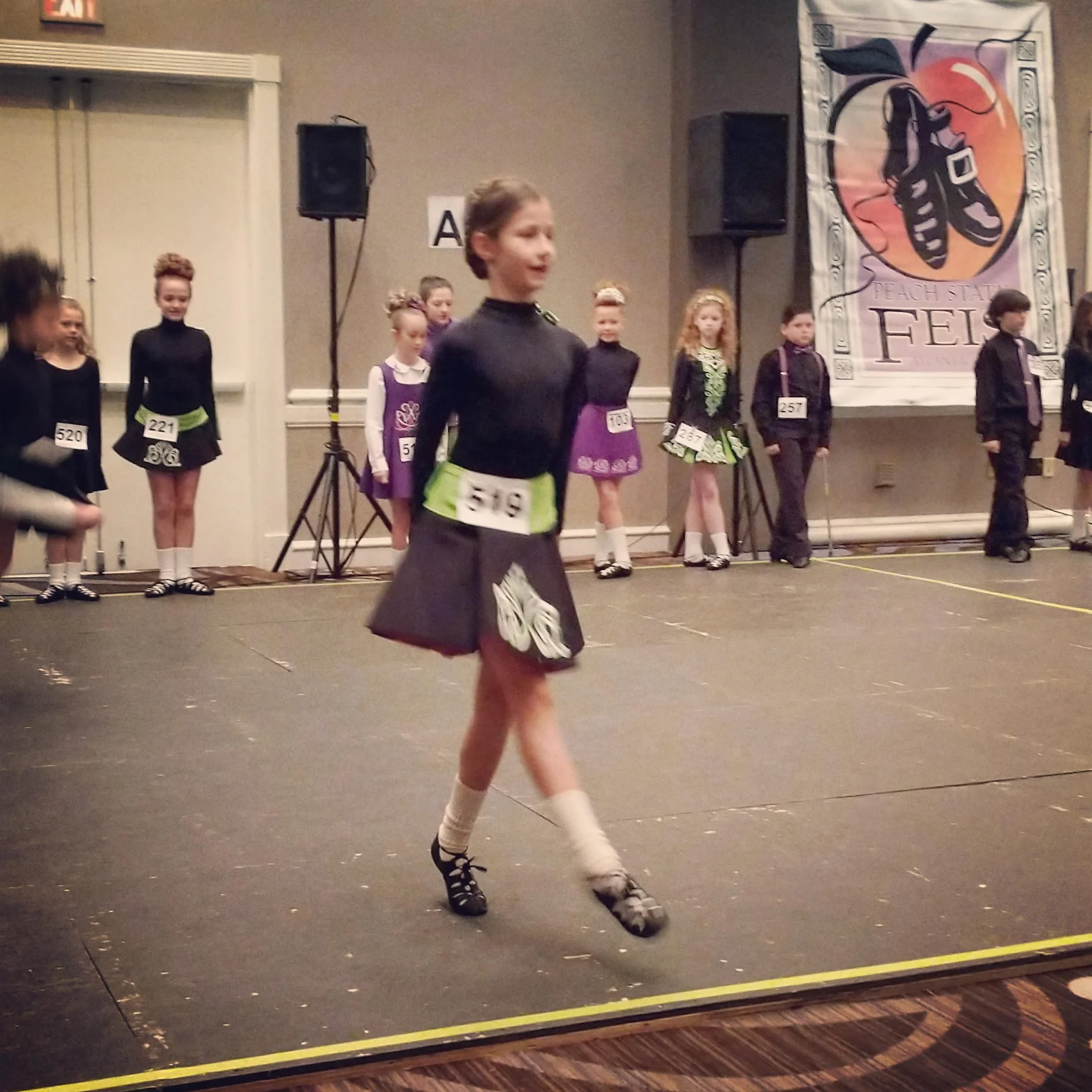
-          Two important aspects of Irish culture today are Irish music and dancing.

-          Dance competitions called Feis and Celtic music are popular, especially in the Maritimes.

-          March 17 was proclaimed “Irish Heritage Day” by the Ontario Legislature

Feis


 Scottish Canadians

-          Every province and territory has an officially recognized tartan, except for Quebec, whose tartan is unofficial, and Nunavut, which has no tartan.


Ontario's Tartan


Ukrainian

-          Ukrainian Canadians have created institutions that showcase Ukrainian Canadian culture such as dance troupes and a pioneer village

-          Ukrainian Canadians have several cultural events:

o   The National Ukrainian Festival in Dauphin, Manitoba.

o   The third Thursday of May is International Vyshyvanka (Embroidery) Day

-          Ukrainian food and culture are popular subjects of roadside attractions in the prairies

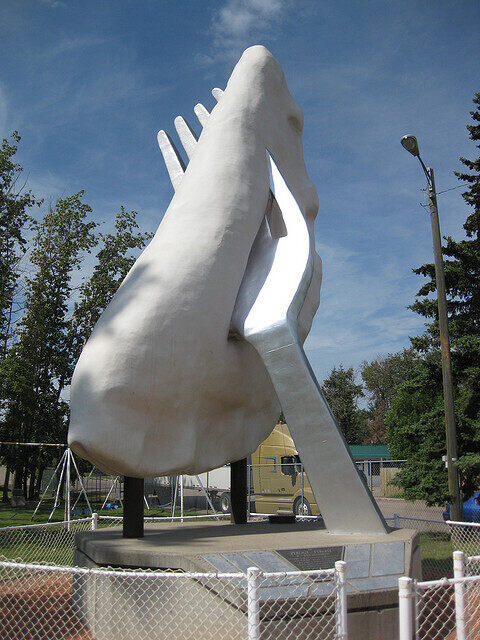
o   For example, the world's largest pierogi is in Glendon, Alberta, and the world's biggest kielbasa is in Mundare, Alberta.

Largest Pierogi


-          The world's largest pysanka (Ukrainian Easter egg) is in Vegreville, Alberta.